
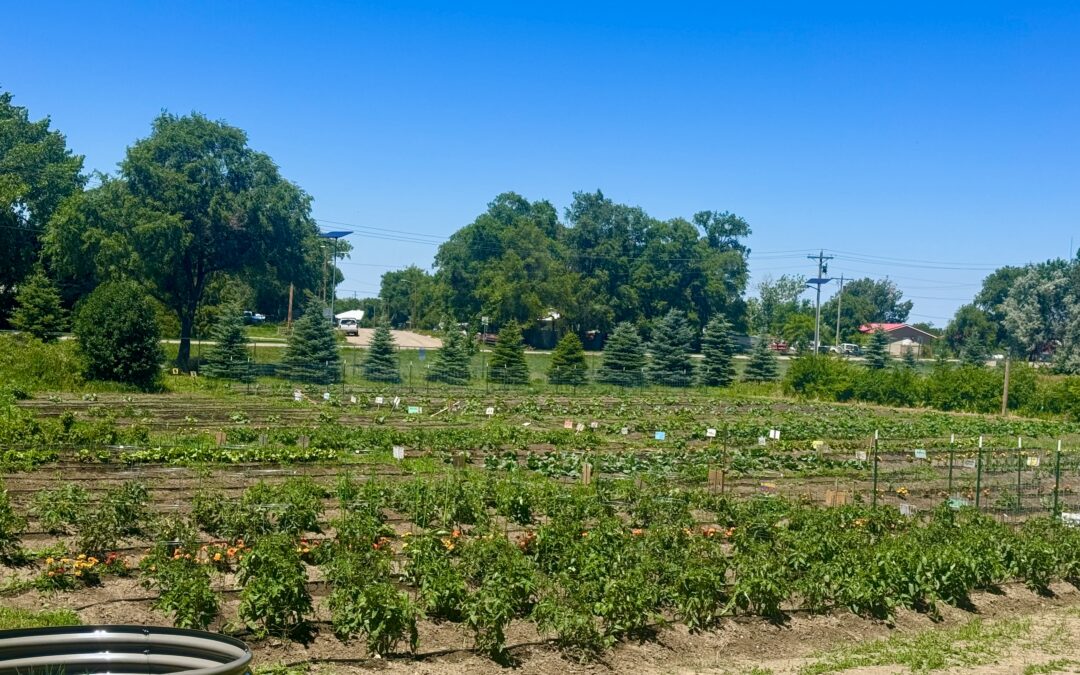
The Cheyenne River Youth Project is inviting community members and visitors to explore the Winyan Toka Win (Leading Lady) Garden during the 2026 growing season. Offered by appointment, the free guided tours are available Monday through Friday from 9 a.m. to 6 p.m.
According to Jerica Widow Jones, CRYP’s programs director, the tours will give the public an opportunity to see firsthand what is growing in the nearly 3-acre garden, learn about CRYP’s Native Food Sovereignty initiatives and discover how the garden supports youth programming throughout the year.
“This is one of our favorite times of year because everything is changing so quickly,” Jones said. “The plants are in, the orchard is thriving, and we’re excited to show people what’s happening out there.
“We’re especially looking forward to acknowledging the dedication and hard work of Youth Programs Specialist Nation Cowins and Youth Employment Initiative trainees Dominique Curley, Enrique Yankton and Alexander Denoyer,” she added. “We couldn’t have done this without them.”
“Taking a leadership role in the garden means a lot to me,” said Cowins, who is serving as CRYP’s head gardener for the first time this year. “I’m grateful the team trusts me and counts on me, and I really enjoy working outdoors with our volunteers and staff.”
During the garden tours, CRYP guests can explore a wide variety of fruits, vegetables, herbs and companion plantings. In the orchard, they will see wild plum and black currant trees, wild grapes, sand cherries, buffalo berries, elderberries, blueberries, chokecherries and juneberries.
Within the garden beds, crops include peas, asparagus, beets, potatoes, sweet potatoes, pumpkins, squash, watermelons, peppers, tomatoes, carrots, onions, strawberries, raspberries, rhubarb and more. Many are paired with companion plants such as dill, marigolds, sunflowers, basil, rosemary, thyme and lavender. These combinations help support pollinators, encourage healthy plant growth and contribute to the garden’s overall biodiversity.
“People often think of a garden as rows of vegetables, but there’s much more going on here,” Jones said. “Soil health, companion planting, pollinator habitat and the orchard are all important parts of the garden. We’re looking forward to sharing that with visitors.”
CRYP’s bee hives will be another highlight for visitors. Established two years ago, the hives produced roughly 40 pounds of Wičháyažipa Othí Wín Wičháyažipa Čhanhánpi, or “Honeycomb Woman Honey,” during their first year and continue to produce abundant harvests.
Established in 1975 and managed by CRYP since 2000, the Winyan Toka Win Garden produces thousands of pounds of fresh, pesticide-free produce each year. This produce supports meals and snacks for local youth, supplies products for the Keya Gift Shop and provides hands-on educational opportunities through the children’s Garden Club, the Native Food Sovereignty teen internship, workshops and cultural activities.
Jones advised that CRYP will continue offering garden tours during the upcoming RedCan Invitational Graffiti Jam. Scheduled for July 8-11, RedCan brings artists and visitors from across the country to Eagle Butte for four days of art, music, culture and community connection.
“We’re looking forward to welcoming RedCan visitors into our garden,” Jones said. “With so many people in town and on our campus that week, it’s a wonderful opportunity to share this space, talk about the work happening here and celebrate another growing season.”
To schedule a free garden tour, call (605) 964-8200 or send email to youthpd.cryp@gmail.com.
To learn more about the Cheyenne River Youth Project and its programs, and for information about making donations and volunteering, call (605) 964-8200 or visit lakotayouth.org. And, to stay up to date on the latest CRYP news and events, follow the youth project on Facebook, Instagram, LinkedIn, Vimeo and YouTube.
The Cheyenne River Youth Project, founded in 1988, is a grassroots, nonprofit organization dedicated to providing the youth of the Cheyenne River Sioux reservation with access to a vibrant and secure future through a wide variety of culturally sensitive and enduring programs, projects and facilities that ensure strong, self-sufficient families and communities.