
As winter programming continues at The Main, the Cheyenne River Youth Project’s youth center for children ages 4-12, staff report strong attendance and a full schedule of activities that support learning, wellness and connection. In recent months, The Main has welcomed an average of 25 to 30 children each afternoon for Garden Club, culture and language activities, a reading program, guest instructors and special events.
The Main holds a special place in CRYP’s history. When the organization opened its doors in a former Main Street bar in October 1988, it operated as a simple drop-in center for younger children — a space where kids could gather safely after school to play, do homework and enjoy snacks and a hot evening meal.
Nearly four decades later, The Main’s purpose at CRYP’s modern campus remains the same. Staff members and volunteers provide daily programming, mentorship, snacks and hot meals for local youth, who bring the high energy and enthusiasm they always have.
“Our goal is always to make sure our children have a place where they feel welcome, supported and encouraged,” said Hayley Dupris, The Main’s programs manager. “Every day, we’re working to create opportunities for them to learn and grow.”
Dupris joined CRYP in December 2023 as a programs assistant and now oversees programming at The Main. An enrolled member of the Mandan, Hidatsa and Arikara Nation on the Fort Berthold Indian Reservation in North Dakota, she graduated from Cheyenne-Eagle Butte High School in 2020 and is pursuing studies in early childhood education.
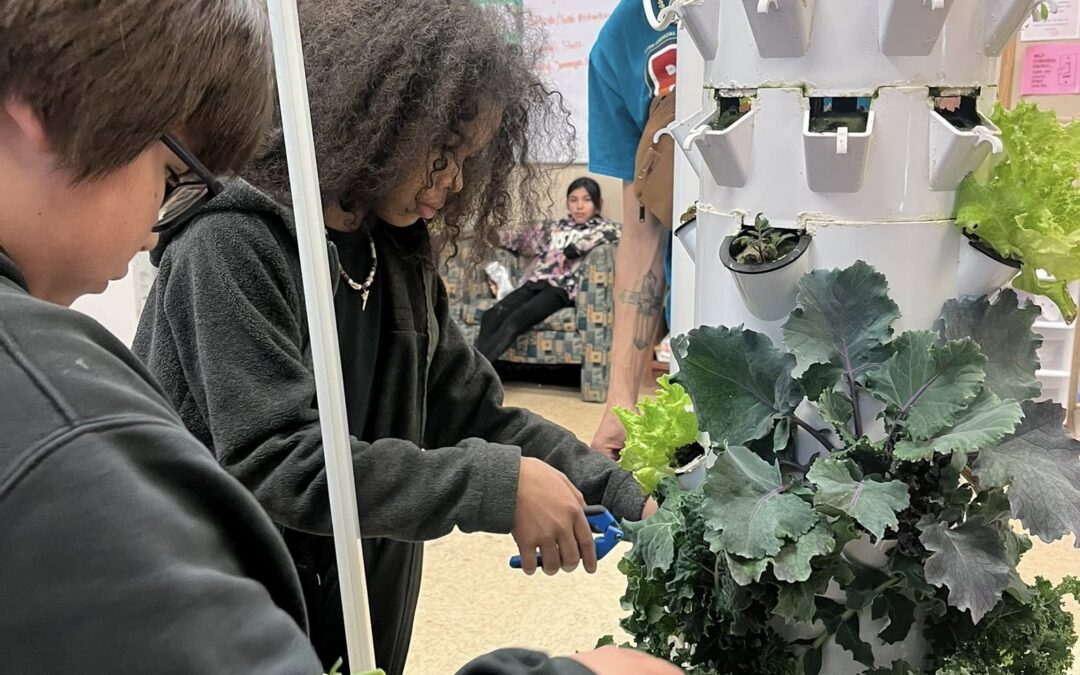
This winter, Dupris and the CRYP team have introduced a wide range of activities for the children who come to The Main. During Garden Club, for example, 25 children helped nurture indoor crops from seedlings to harvest in just 40 days.
“We have cucumbers, jalapeños, chives, tomatoes, dill, cilantro, lettuce and spinach in our growing towers,” said Dalton Fischer, CRYP’s gardener. “The kids are extremely excited to grow indoor food this way. They loved learning how to harvest the lettuce and prepare fresh salads to share.”
Literacy is another important focus at The Main, which has offered reading programs for decades. In February, youth participated in a program that encouraged them to log the books they read and discuss them with staff members.
“To celebrate their accomplishments, we took them to the South Dakota Discovery Center in Pierre and then to lunch at Pizza Ranch,” Dupris said. “We are so proud of our readers.”
Teen participants in CRYP’s Youth Employment Initiative provide valuable support in daily operations. Two trainees, Diamonique Defender and Alexander DeNoyer, have been assisting throughout the winter, helping lead activities and engaging with the younger children.
“They’re so good at this work,” Dupris said. “Alexander even helped improve our process for tracking attendance and participation. He really made it his own.”
“He’s really coming into who he is,” said Julie Garreau, CRYP’s founder and chief executive officer. “He’s taking on more responsibility, he’s speaking up, and he’s actively guiding these children. He’s patient and compassionate, but he knows his authority, and they need that.”
“I’m really glad the kids have a positive male role model in The Main,” Dupris added. “Anytime there’s a chance to spend more time with the kids, he’s the first one to say, ‘I’ll come in!’ It’s cool to see.”
CRYP invites guest instructors to take part in programming as well. In January, The Main welcomed several educators, including Wakinyan Chief, CRYP’s arts manager; Wambli Gleska Quintana, who led financial literacy sessions; Ahanni Knight, who shared Lakota language and singing; and Justin Evans from the Cheyenne River Sioux Tribe’s Youth Diabetes Program, who taught healthy eating and nutrition.
On Feb. 25, Roberta Tiger and Officer Eagle from the Highway Safety Outreach Program taught the children about wearing seatbelts, using crosswalks safely and calling 911 in an emergency. Dupris said it was an important step in building positive relationships between youth and law enforcement.
In addition to managing programs, staff at The Main also prepare daily meals and snacks for the children who arrive after school. One recent meal included hand-rolled turkey meatball sandwiches, green beans, macaroni and cheese, and homemade oatmeal-banana chocolate chip muffins.
“Food insecurity is a reality for many families in our community,” Garreau said. “We make sure there is always a snack waiting when children arrive and a hot meal before they go home.”
Then there are the special events dedicated to laughter, fun and making memories. Each month, staff host birthday parties for youth, including January’s colorful Glow Party; the parties include games, music, dancing, cake and gifts.
CRYP also partners with 7th Generation Cinema in Eagle Butte to provide free movie tickets and snack combos for the first 50 children to attend the screening. The children saw “Goat” on Feb. 20 and “Hoppers” on March 6.
Due to rising attendance and interest in recent programs, the CRYP staff opened The Main on Saturday, March 7, from 10 a.m. to 2 p.m. The long-term plan is to offer two open Saturdays per month, which will start in April.
For Garreau, the flurry of activity at The Main reflects the sense of purpose that inspired the youth project’s founding.
“At the end of the day, it’s about making sure our kids have a safe place where they can learn, have fun and know they belong,” she said. “CRYP has been here for two generations of children, and we will be here for generations to come.”
To learn more about the Cheyenne River Youth Project and its programs, and for information about making donations and volunteering, call (605) 964-8200 or visit lakotayouth.org. And, to stay up to date on the latest CRYP news and events, follow the youth project on Facebook, Instagram, LinkedIn, Vimeo and YouTube.
The Cheyenne River Youth Project, founded in 1988, is a grassroots, nonprofit organization dedicated to providing the youth of the Cheyenne River Sioux reservation with access to a vibrant and secure future through a wide variety of culturally sensitive and enduring programs, projects and facilities that ensure strong, self-sufficient families and communities.